Posts

Rethink Social Media Crisis Communications

By Gerard Braud

Do you follow the herd or do you set your own course?

The “herd” mentality of social media is finally changing.

  • Which herd were you originally in?
  • Which herd are you in now?
Vimeo Gerard Braud

Click image to watch

In public relations and marketing, the headline could have read, “Gerard Braud Is the Social Media Lone Wolf.

It started in 2008 with a conference presentation called, “Social Media When ‘It’ Hits the Fan.

Facebook had opened to the public in 2006 and the herd didn’t want to hear about the negative side of social media. Booking agents and meeting planners would ask me to speak about how to use social media as a wonderful marketing tool. Being the lone wolf, I’d explain how social media would lead to an online crisis and that no expert worth his salt should talk about social media marketing without combining it with a crisis communications element.smart-watch-821559_1920

I turned down a lot of paid speaking engagements because the herd only wanted to hear about the pretty online world where customers would beat a path to your door on Facebook. Being the maverick, I saw the potential for those same customers to become an angry mob at your door, using social media as their virtual torches and pitchforks.

Today, demand for knowledge about social media and crisis communications as a combined topic is going through the roof. “Social Media When ‘It’ Hits the Fan” is the most requested topic I’m asked to speak about at conferences and conventions.

Here are some takeaways you should consider if your employer uses social media:

1. Replying to a negative online post might make things worse. Conventional wisdom says to show your concern for a customer by posting a reply. But taking a negative discussion offline is a better option. A direct message that is less public can be more personal. A public online reply on Facebook raises the negative comment to the top of everyone’s newsfeed. This opens the door for more negative comments from those with a similar negative point of view who missed the original post.

2. Tried and true still beats shiny and new. In other words, a tried and true crisis communications plan and response strategy is still needed. It should define all of your audiences and the best communication strategies for reaching your audiences. A social media crisis will likely still require you to talk with the media, communicate to your employees, and to publish a news release statement on your corporate website. A Tweet might get you into a crisis, but it takes more than 140 characters to message your way out of a crisis.

3. Establish a clear social media policy for your employees. Have each employee sign the agreement and place it in their personnel file. Be ready to enforce it. Some of the policies I write for clients prohibit employees from listing their place of employment on their personal social media profiles. You’d be surprised to learn all of things I can’t share with you because of the confidentiality agreements that I’ve signed. But, an ounce of prevention on social media is more than a pound of cure.

The herd is giving you permission to acknowledge that what was once the shiny and new world of social media is now tarnished. If you are not prepared, it will also tarnish the reputation of your company.


Photo credit

If someone writes something negative on your corporate Facebook page, should you delete it?

This week, crisis communications expert Gerard Braud polls social media to ask, “If someone writes something negative on your corporate Facebook page, should you delete it?” We want to hear your expert public relations tips this week!

From disgruntled customers to even disgruntled employees, your corporate Facebook page is a very public platform for voicing opinions. Social media managers and corporate communications professionals must be trained on how to deal with negative feedback or negative comments. From a PR standpoint, what would you do to protect the brand, reputation, and revenue of your company? Should you delete negative comments or respond to them?

We would love to hear your thoughts this week. Comment here and on our social media pages to join the discussion. Your answers may be featured in our follow-up video!

This question is one of a series of debates in the media relations, crisis communications, public relations, and social media industries where you and your colleagues can share observations with each other. Yes, YOU are invited to share your bite size bits of best practices. Here is how:

Step 1: Subscribe to The BraudCast on YouTube

Step 2: You will see a short video that poses a new question every Monday. You then post your best practices and observations on The BraudCast YouTube channel.

Step 3: Once your opinion is shared, you can follow the discussion online so you can compare your best practices to those of your professional colleagues.

Step 4: Watch the follow-up Friday Video where you will see a short YouTube video outlining some of the most interesting observations. Yes…your comments may actually show up on our BraudCast video, bringing you world-wide fame, fortune, a big raise, glory, street parades, and more.

Thanks in advance for sharing your knowledge. Please take 2 seconds now to subscribe to The BraudCast.

What should be included in an employee social media policy? Tips from Followers

Last week, crisis communications expert Gerard Braud posed a question for his followers who are experts in corporate communications, public relations, and social media. He asked, “What should be included in an employee social media policy?” A wide variety of answers flooded in and now we want you to add to the discussion. Do you agree with their comments?

How can you establish clear guidelines for your employee’s behavior on social media? Is it appropriate to hold team meetings to discuss or establish boundaries for social media behavior? Should your employees be able to comment about their work on their personal social media pages? What are some of the crises that could occur if one of your employees posted something inappropriate on a professional or personal social media page? These are all things to think about as you establish or modify your company social media policy.

This question is one of a series of debates in the media relations, crisis communications, public relations, and social media industries where you and your colleagues can share observations with each other. Yes, YOU are invited to share your bite size bits of best practices. Here is how:

Step 1: Subscribe to The BraudCast on YouTube

Step 2: You will see a short video that poses a new question every Monday. You then post your best practices and observations on The BraudCast YouTube channel.

Step 3: Once your opinion is shared, you can follow the discussion online so you can compare your best practices to those of your professional colleagues.

Step 4: Watch the follow-up Friday Video where you will see a short YouTube video outlining some of the most interesting observations. Yes…your comments may actually show up on our BraudCast video, bringing you world-wide fame, fortune, a big raise, glory, street parades, and more.

Thanks in advance for sharing your knowledge. Please take 2 seconds now to subscribe to The BraudCast.

Your answers: How do you best respond when people get angry on your social media site?

By Gerard Braud

Social media can be a double edged sword for your corporation, school, or organization. It can be very positive and very negative at times. This week I asked corporate communicators and public relations professionals how they best respond when people get angry on their company social media site. They shared their responses which I am featuring in this video. Please subscribe to the weekly question on the BraudCast YouTube Channel to participate each week.

Angry Social Media Q11 Gerard Braud

Click image to watch and subscribe to the BraudCast

This question is one of a series of discussion questions about media relations, crisis communications, public relations, and social media. Yes, YOU are invited to share your bite size bits of best practices each week. Here is how:

Step 1: Subscribe to The BraudCast on YouTube

Step 2: You will see a short video that poses a new question every Monday. You then post your best practices and observations on The BraudCast YouTube channel.

3: Once your opinion is shared, you can follow the discussion online so you can compare your best practices to those of your professional colleagues.

Step 4: Watch the Follow up Friday Video where you will see a short YouTube video outlining some of the most interesting observations. Yes…your comments may actually show up on our BraudCast video, bringing you world-wide fame, fortune, a big raise, glory, street parades, and more.

Thanks in advance for sharing your knowledge. Please take 2 seconds now to subscribe to The BraudCast.

BraudCast Answer: How do you get your executives to buy into the concept of using social media if your organization is not yet using it?

By Gerard Braud

Some communicators are still trying to make a case to their executives to use social media for their organization.  They may be trying to persuade their senior level executives or their board members that social media is not just a form of outbound marketing, but it can be used strategically for crisis communications and media relations. This week the BraudCast question was, “How do you get your executives to buy into the concept of using social media if your organization is not yet using it?” Watch the video to hear how your colleagues answered.


Click image to watch

Click image to watch


This question is one of a series of debates in the media relations, crisis communications, public relations, and social media industries where you and your colleagues can share observations with each other. Yes, YOU are invited to share your bite size bits of best practices. Here is how:

Step 1: Subscribe to The BraudCast on YouTube

Step 2: You will see a short video that poses a new question every Monday. You then post your best practices and observations on The BraudCast YouTube channel.

3: Once your opinion is shared, you can follow the discussion online so you can compare your best practices to those of your professional colleagues.

Step 4: Watch the Follow up Friday Video where you will see a short YouTube video outlining some of the most interesting observations. Yes…your comments may actually show up on our BraudCast video, bringing you world-wide fame, fortune, a big raise, glory, street parades, and more.

Thanks in advance for sharing your knowledge. Please take 2 seconds now to subscribe to The BraudCast.

BraudCast Question: How do you get your executives to buy into the concept of using social media if your organization is not yet using it?

By Gerard Braud

This week the BraudCast question is, “How do you get your executives to buy into the concept of using social media if your organization is not yet using it?” Your executives may be more traditional in their communication skills. They may be hesitant about opening their organization up to harsh criticism online, or they may not quite understand the purpose of social media. How do you persuade them about the communications and media relations opportunities that social media can provide for them?

execs social media gerard braud

Click image to watch


This question is one of a series of debates in the media relations, crisis communications, public relations, and social media industries where you and your colleagues can share observations with each other. Yes, YOU are invited to share your bite size bits of best practices. Here is how:

Step 1: Subscribe to The BraudCast on YouTube

Step 2: You will see a short video that poses a new question every Monday. You then post your best practices and observations on The BraudCast YouTube channel.

3: Once your opinion is shared, you can follow the discussion online so you can compare your best practices to those of your professional colleagues.

Step 4: Watch the Follow up Friday Video where you will see a short YouTube video outlining some of the most interesting observations. Yes…your comments may actually show up on our BraudCast video, bringing you world-wide fame, fortune, a big raise, glory, street parades, and more.

Thanks in advance for sharing your knowledge. Please take 2 seconds now to subscribe to The BraudCast.

7 Frightening Media Realities for Public Relations

By Gerard Braud –-

As the media changes, your media relations strategy must change with it. We covered these changes and strategies in detail at the International Association of Business Communicators (IABC) conference in San Francisco during my Monday morning workshop, #IABC15 The Changing Media Landscape.

For those of you who attended the workshop, this blog will be part of the continuing education program you were promised. For those who missed the workshop, this will help you learn what the group learned. For those of you who would like a similar workshop for your chapter or professional association, please contact me at gerard@braudcommunications.com.

Before the teach-back segment, here are links to the two additional free training modules I offered to everyone:

Resource #1: 29-Day Media Training Online Program

  • Follow this link
  • Enter coupon code BRAUD
  • Click APPLY
  • When you see this $199 program ring up as $00.00, enter your e-mail address
  • Hit submit order.

Resource #2: 23-Day Video Tutorial for Smartphone News Videos

The changes in the media landscape include:

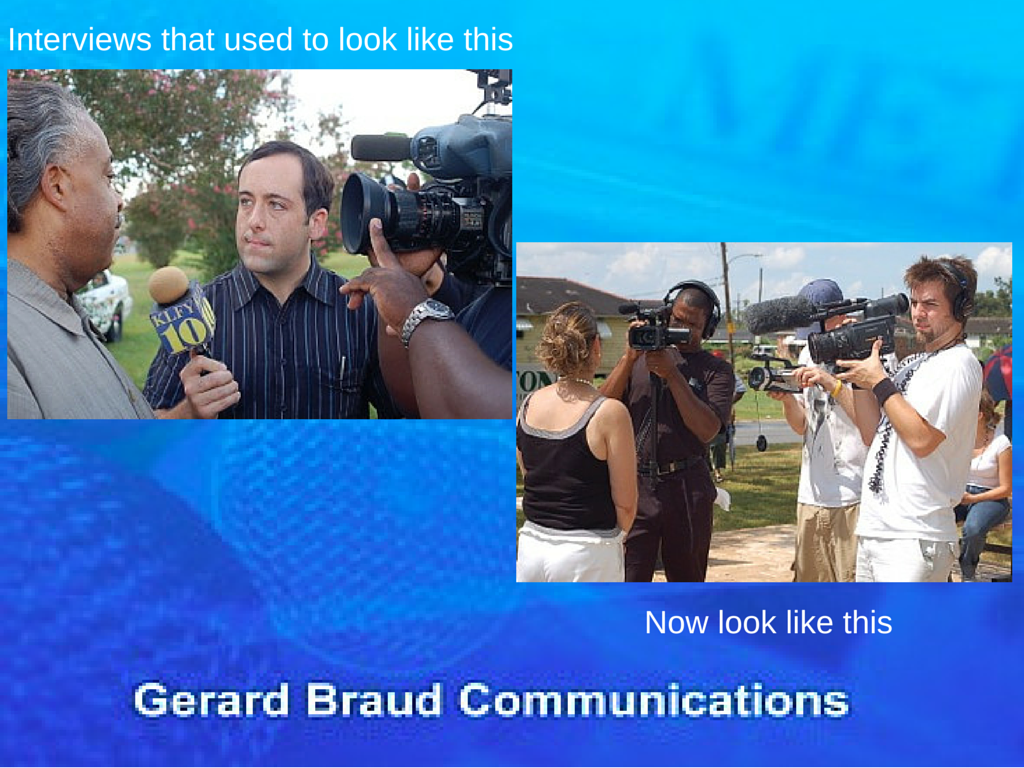
1) Reduced staffs, i.e. fewer reporters, photographers and journalists to tell your story.

Interviews

Not too long ago a typical network news crew had five people. A typical local television or print crew had a reporter and photographer. Today, newspapers and television stations alike expect a single person to be both the reporter and photographer.


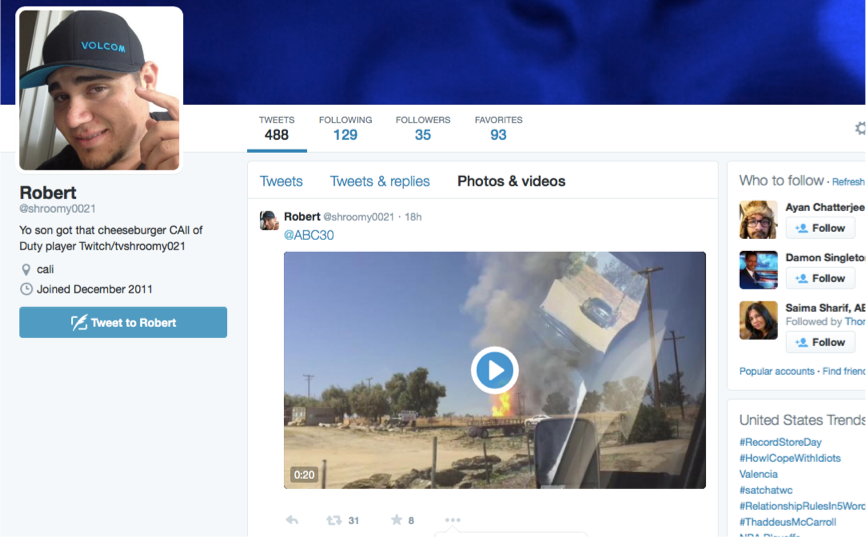
2) The “Caught on Video” craze.

PastedGraphic-2With fewer employees to gather the news, the media depend upon videos submitted by eyewitnesses. The media save a lot of money by not having to chase the news and by letting the news come to them. However, verifying authenticity and facts is a problem. The old rule of, “consider the source,” seems to have gone out the window.

9866FC2E-26CB-4F4A-9366-0079E19FDD8E[1]

caughtonvideoStatistics provided by IQ Media show that in the past three years, there has been a monumental jump in the number of times the phrase “caught on video” is said on television broadcasts.


3) Substituting Trending for NewsPastedGraphic-3

Virtually every television news cast and every media website feature a segment about what is trending. This means that television airtime and web space are being filled with fluff provided by social media, rather than news gathered by professionals.

Statistics provided by IQ Media show that in the past three years, there has been a monumental jump in the number of times the phrase “trending” is said on television broadcasts.

trending


4) Judgment Day is Everyday

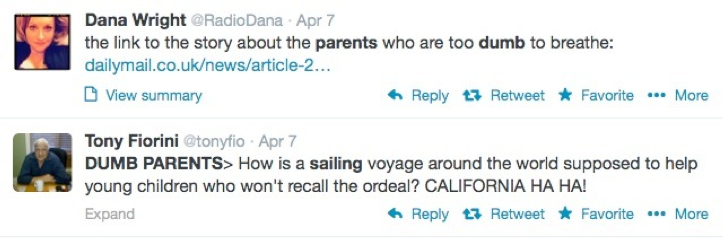
The media have also substituted real news with social media comments from people who judge other people. A perfect example is the condemnation after the U.S. Navy rescued a family from their sinking sailboat on April 6, 2014. The parents had a small child on board and social media lit up with mean comments, which made up a huge part of the news coverage.

PastedGraphic-8


5) Pretend In-Depth Coverage

CNN looked foolish with their all-in attempt to cover the Malaysia 370 plane disappearance. Non-stop coverage of a single issue means fewer employees are needed than if your network covered a variety of issues affecting the lives of viewers.


6) Fake Breaking News

Combined with the pretend in-depth coverage is fake breaking news. The television media have a need to put up a banner across the screen each time they learn one new detail, regardless of how silly it is.

PastedGraphic-4 PastedGraphic-5


Among the many crazy things that CNN called “breaking news” in the Malaysia 370 story, is first breaking the news that the final words from the crew were, “Alright, good night.” The next day it was “breaking news” that the final words were, “Good night Malaysia three seven zero.”

Really CNN? In my time as a journalist we would have called that an error and a correction.

Statistics provided by IQ Media show that in the past three years, there has been a monumental jump in the number of times the phrase “breaking news” is said on television broadcasts.

PastedGraphic-6


Solutions to Media Changes

Among the many solutions we discussed, is the need to recognize that in the future, the media will expect you to provide video from any crisis experienced by your company, as well as a narrative. They will expect you to do a selfie style video directly from the scene.

Such videos are hard to do and require training and practice. While the interactive portion of our workshop taught some of the basic skills, the online 23-part tutorial will teach you even more.

Tutorial #8: Telling Compare and Contrast Stories to the Media During Hurricane Season

Tutorial #8 by Gerard Braud

As mentioned in all my tutorials this month, my goal for you, if you are a spokesperson, public relations expert, or Public Information Officer (PIO) for a government agency, is to make iReports part of your crisis communication and media relations plan. Now I’m asking you to think in terms of telling compare and contrast stories, especially during hurricane season or your natural disaster. Here is why:

Tutorial 8 CNN Gerard BraudThink about when you watch television news. If there is a natural disaster, in order for you to appreciate the magnitude of the disaster, don’t you really need to know what things looked like before the disaster?

The best stories are told when the audience can see before, during and after an event.

I want this to always be your goal when you file your CNN iReports. This means not just filing one report, but filing several.

Watch today’s video tutorial to learn more.

During Hurricane Isaac in 2012, as it impacted my home in Mandeville, Louisiana, 30 miles north of New Orleans, I filed CNN iReports for five days.

My first report was on a clear sunny afternoon, as I told the audience how Lake Pontchartrain would flood portions of the community. You can watch that original video here.

The next day, I filed several more iReports as the storm moved in, and specifically, as Lake Pontchartrain caused flooding, just as I had predicted in the previous video.

Over the next 24 hours I continued to file reports showing the progress of the storm.

As flood waters receded, I filed reports about the damage, cleanup and aftermath.

The audience was able to compare what was to what is.

This link will take you to my tutorials on the CNN iReporter website. I hope you take the time to view, study, and share all 23 videos and articles.

This link will take you to the index for all of the articles and videos.

If you, like many others, think this information would be valuable as a workshop at a conference or corporate meeting, please call me at 985-624-9976. You can also download a PDF that outlines the program, Social Media iReports.pdf so you can share it with your meeting planner or training manager.

Social Media Collides With Mainstream Media: The Changing Landscape of Media Interviews in Good Times & Bad

By Gerard Braud

InterviewsAs social media and smart phones expand their reach, we are seeing a seismic shift that is sending tremors through the mainstream media landscape. This is creating both new challenges, as well as new opportunities for media spokespeople. Capitalizing on the opportunities requires you to adopt new approaches, learn new skills and be open to new realities.

If you are bold enough and brave enough to try something drastically new, then I’d love to meet you at the upcoming World Conference for the International Association of Business Communications in San Francisco. I’ve prepared an all-new special presentation for Monday, June 15 from 10:30 a.m. – 12:30 p.m. in the Club Room. It only seats 100 people, so make plans to get their early.

This is not a lecture or a class but a do-and-learn workshop. You should come ready to write in the first hour, as well as to discuss the challenges you and/or your spokespeople have faced in previous media training classes or in previous interviews. If there is a problem, the first hour is dedicated to solving those problems so they never happen again. In fact, I’m ready for you to contact me outlining problems you’ve faced that you’d like to solve. Send an e-mail to me at gerard@braudcommunications.com with the subject line IABC Question.

Our focus in the first hour will include:

  • Discovering why the media landscape is changing
  • Learning the 4 things you must be ready to say in every interview
  • Rethinking your approach to media training

In the second hour you will be up on your feet unlocking the futuristic power of your smartphone, learning how to do remote interviews. Please make sure to bring either your smartphone or your iPad.

While many spokespeople complain about how the media operate, the reality is that you can learn to be an expert every time either you or an executive within your business speaks to the media.

Social media is one of the biggest trends changing the media. Free content is competing with professional content. The reality is news stories are being told by eyewitnesses with a smartphone faster than the story can be told by the mainstream media and faster than a corporation might be willing to tell the story of their own crisis.

As social media grabs more of the media’s audience, the media are watching their profits disappear. That means there are fewer reporters and photographers employed to tell your corporate story in good times and in times of crisis.

Where problems exist in the media we hope you see opportunities.

The greatest opportunity for someone who is a professional business communicator or public relations expert is, on one hand, to improve your own interview skills, and at the same time, learn new skills for doing interviews and creating videos that are as good as or better than the ones being supplied by eyewitnesses.

If you crave a chance to walk away with new skills that you can immediately use as soon as you are back at work, I look forward to meeting you at this workshop.


Crisis Communications Through Technology and Social Media: The Earthquake Video

nepalearthquake2By Gerard Braud

The day is coming when you will need to be an expert in crisis communication using smart phone technology and social media. Actually, you should already be an expert and it is just a matter of time before we discover if you are prepared.

Saturday morning I turned on the Today Show and learned of the devastating earthquake in Nepal. As I flipped through the channels to CNN, Fox, Good Morning America, and to CBS, I was disappointed to once again watch a global crisis covered by reporters stationed in places such as London. Trust me when I tell you the reporter in London knows as much about the crisis as the reporter in New Orleans or New York. Only a person on the ground in that location can provide us with real details.

Eventually, one of the networks showed a smart phone video report filed by Arjun Vajpal, from a base camp on Mt. Everest, where we learned that there were avalanches on the mountain and climbers killed in base camps one and two. The selfie style video nepal earthquakewas posted to social media, where the mainstream media found it and began using it.

How well are you prepared to do what that climber did? Are you able to pick up your phone and in one take, record a narration with video that takes television viewers directly to the scene of your crisis? My experience while teaching workshops to public relations professionals is that most are shocked to learn just how hard it is to produce an effective video. My 15 years as a television reporter doing live shots daily have prepared me to use this technology. But people without live shot experience struggle to find the words to tell a story in one minute, without messing up the narration and defaulting to 10 to 20 tries to get one good take, if they can ever get one.

Tropical Storm Lee iReportMy fascination with smart phone and social media news coverage began with my reporting for CNN and The Weather Channel during Tropical Storm Lee in 2011. I took it to a whole new level during Hurricane Isaac in 2012. I reported for both networks for five days, while living without electricity and being surrounded by seven feet of flood waters, four ten foot alligators, thousands of snakes, and more than 50 dead animals killed in the storm.

Often video of a crisis is provided by an eyewitness, who usually provides poor quality video that is often laced with f-bombs or crazy comments. Imagine how much better it would be when a crisis happens at your company if quality video and a quality narration were provided in expert fashion? Imagine if that video was narrated by a well trained spokesperson with real facts, rather than the crazy speculating eyewitness?

The report from atop Mt. Everest was better and more accurate than the on-camera narration from the reporter in London. Likewise, my reports in Tropical Storm Lee and Hurricane Isaac were more visual and informative than the reports being provided by network correspondents. Those reporters were much farther from the storm than I was, leading the networks to lead each newscast with my reports.

If you don’t know how to do a great video, please take time to view a free tutorial I built on the CNN iReport website. If you’d like to take your skills up a notch and do the same for your colleagues, please contact me about setting up in-person training at a future conference or workshop.

Effective communications is in your hands. The reality is that you can be the expert who provides effective crisis communication or you can take your chances by relegating your responsibility to the reporter in London or the random eyewitness with a smart phone.

Experience tells us that trying to perfect this skill in the midst of your crisis is the wrong time. The best time to prepare for your effective crisis communications is on a clear, sunny day when you have all the time in the world to practice. Practice until you can call yourself a crisis communication expert who can effectively use a smart phone to file stories to social media and with the mainstream media.